






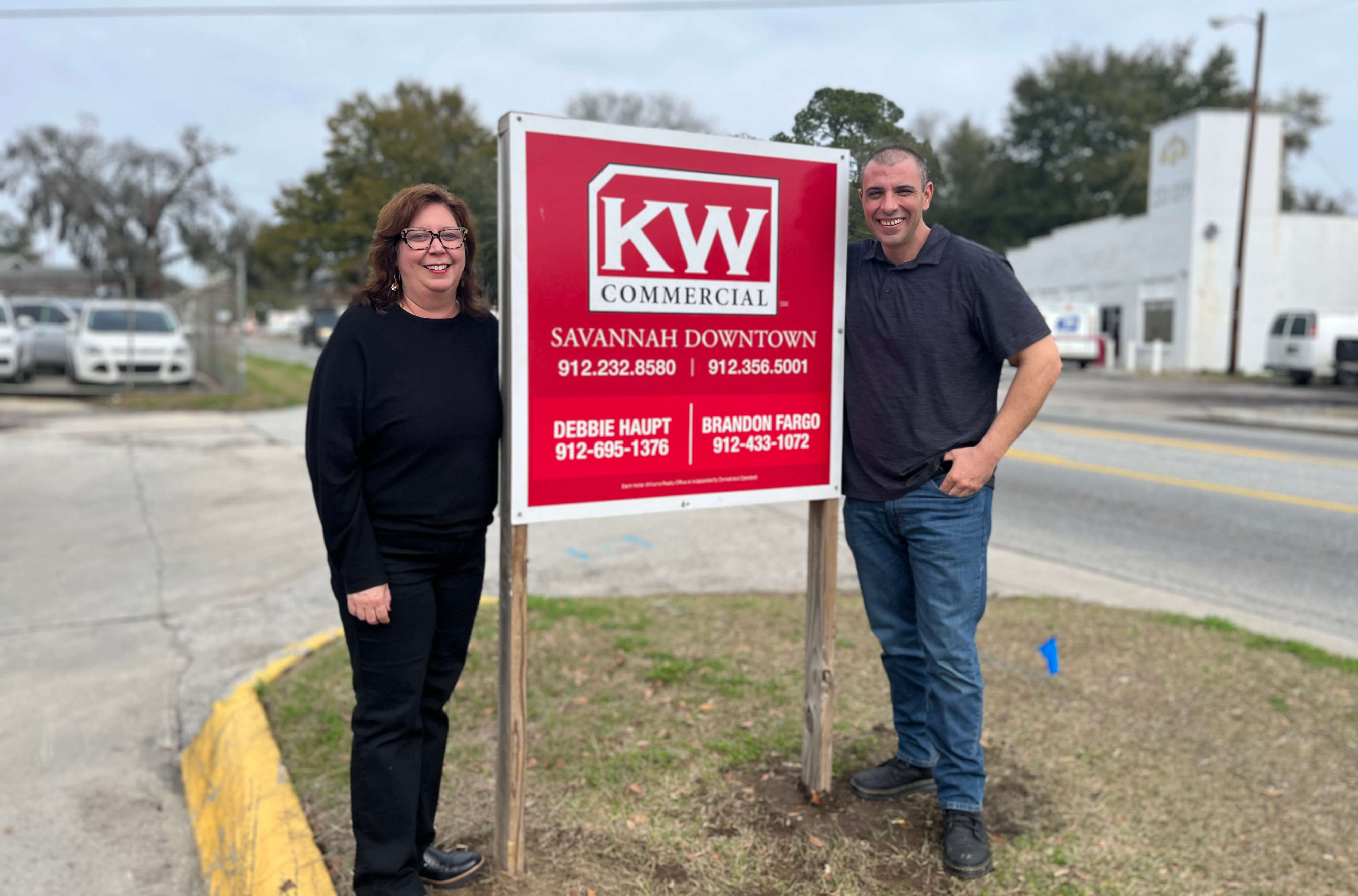
Advisors Beyond Real Estate
We don’t just sell property—we guide you through every decision as advisors, protecting your interests like family. Whether buying, selling, or investing, we deliver expertise with heart.
FEATURED AREAS
Explore market trends, new listings, schools, and top businesses in the areas we serve with our interactive map. Start your journey today!

At Fargo Real Estate Group it is more than a transaction. It’s a partnership built on trust, expertise, and goals.


New to the market
Be the first to explore the latest properties to hit the market. From Cozy retreats, stunning estates or your next investment, these fresh listings are ready for you to discover. Don't miss your chance to find the perfect property today!
General Residential Real Estate FAQs
General Commercial Real Estate FAQs
While not legally required, a licensed real estate agent provides market expertise, negotiation skills, contract management, and protection throughout the transaction—often saving clients time, money, and legal risk.
Affordability depends on income, debts, credit score, down payment, and interest rates. A lender can issue a pre-approval to define a comfortable price range.
Pre-qualification: Informal estimate based on self-reported info
Pre-approval: Verified financial review by a lender (stronger when making offers)
Down payments typically range from:
- 3–5% for conventional loans
- 0% for VA or USDA loans
- 3.5% for FHA loans
Closing costs usually range from 2–4% of the purchase price and include lender fees, appraisal, title insurance, escrow, and prepaid items.
Common contingencies include:
- Financing
- Appraisal
- Inspection
- Sale of an existing home (if applicable)
On average:
- Home search: 2–8 weeks
- Under contract to closing: 30–45 days
A licensed inspector evaluates the home’s major systems and structure. Buyers can negotiate repairs, credits, or price adjustments based on findings.
Yes—if done within contingency periods outlined in the contract. Outside those periods, earnest money may be at risk.
Value is based on:
- Recent comparable sales (CMA)
- Condition
- Location
- Market demand
- An agent provides a data-driven pricing strategy.
Often yes—especially cosmetic or safety-related items. Strategic updates can increase buyer interest and reduce negotiations.
Seller costs typically include:
- Real estate commissions
- Title fees
- Transfer taxes (varies by state)
- Negotiated concessions
- Total seller costs usually range from 6–10% of the sale price.
This depends on pricing, condition, location, and market conditions. Well-priced homes in strong markets can sell in days; others may take longer.
Once under contract:
Buyer completes inspections and financing
Appraisal is ordered
Title work begins
Closing is scheduled
Yes. Options include:
Contingent offers
Bridge loans
Rent-backs
Coordinated closings
Earnest money is a good-faith deposit showing buyer commitment, typically 1–3% of the purchase price.
Escrow is a neutral third party that holds funds and documents until all contract terms are met.
A title search ensures the property has clear ownership and no unresolved liens or claims.
A buyer’s opportunity to confirm the home’s condition before closing and verify agreed-upon repairs are complete.
Buyers receive keys after closing is complete and recorded, usually the same day.
Commercial real estate includes properties used for business or income-producing purposes, such as:
Retail
Office
Industrial
Multifamily (5+ units)
Mixed-use
Hospitality
Self-storage
Land zoned for commercial use
Key differences include:
Income-based valuation (NOI & cap rates)
Longer due diligence periods
More complex leases and contracts
Higher down payments
Business risk tied to tenants and operations
Commercial value is driven primarily by income performance, not emotion or comparable sales. Increasing NOI through rent growth or expense reduction directly increases value.
Commercial properties are typically valued using:
Income Approach (NOI ÷ Cap Rate)
Sales comparison
Replacement cost (less common)
NOI is gross income minus operating expenses, before debt service and taxes. It is the foundation for valuation and investor returns.
Cap rate is the rate of return on a property assuming no debt:
Cap Rate = NOI ÷ Purchase Price
Lower cap = lower risk / higher price
Higher cap = higher risk / higher return
Typical ranges:
20–25% for stabilized properties
25–35% for value-add or special-use
10–15% for SBA-eligible owner-users
Common options include:
Conventional bank loans
SBA 7(a) & 504 loans
Credit unions
Life insurance companies
Private and bridge lenders
Seller financing
Due diligence typically includes:
Financial review (rent roll, T-12, P&Ls)
Lease analysis
Property condition reports
Environmental studies (Phase I ESA)
Zoning and legal review
Typical timelines:
Under contract to close: 60–120 days
Larger or complex deals may take longer
Common lease structures:
NNN (Triple Net) – tenant pays taxes, insurance, maintenance
Modified Gross
Full-Service Gross
Percentage Lease (common in retail)
A rent roll is a summary of all tenants, showing:
Rent amounts
Lease terms
Expirations
Escalations
Occupancy
Tenant credit affects:
Property risk
Financing terms
Cap rate
Strong tenants improve stability and valuation.
Key steps include:
Cleaning up financials
Updating rent rolls and leases
Addressing deferred maintenance
Understanding realistic market pricing
It depends:
Leased = income stability, better financing
Vacant = flexibility for owner-users or redevelopment
Seller costs often include:
Brokerage commissions
Title and legal fees
Prorations
Negotiated credits or concessions
Common risks include:
Tenant vacancy
Lease rollover
Interest rate changes
Market downturns
Capital expenditure requirements
Value-add strategies include:
Increasing rents
Reducing expenses
Re-tenanting
Repositioning or redevelopment
A 1031 exchange allows investors to defer capital gains taxes by reinvesting proceeds into like-kind property within IRS timelines.
Returns vary by asset class and risk profile, but commonly measured by:
Cash-on-cash return
IRR
Equity multiple
Cap rate at exit
Typical contingencies include:
Due diligence
Financing
Environmental
Title and survey
Zoning and use approval
Buyers may:
Renegotiate price
Request credits
Require repairs
Terminate the contract within contingency periods
Earnest money typically becomes non-refundable after due diligence ends, unless otherwise negotiated.
Unlike residential, commercial contracts are often heavily negotiated and customized.
A commercial broker provides:
Market intelligence
Financial analysis
Access to off-market deals
Negotiation expertise
Risk mitigation
Buying or selling real estate should feel strategic, informed, and tailored to your goals. We start by understanding what you’re looking to accomplish—whether you’re purchasing a home, selling a property, or investing in commercial real estate. From there, we guide you through market positioning, pricing or value analysis, neighborhood or buyer targeting, and smart negotiation designed to protect your interests. We manage every detail through closing and continue to support you after the sale, ensuring a smooth transition and long-term success with your real estate decisions.


client reviews


Expert Advice & Local Love
Stay up to date with the latest real estate insights and local market trends.We ♥ our community and proudly highlight the businesses that make this a great place to live, work, and play.

2026 Savannah Real Estate Market Forecast
The Savannah real estate market continues to evolve as we move through 2026, shaped by shifting econ…

Things You Shouldn't Do When Buying a Home
With a never ending list of everything you ‘should do’ when purchasing a home, it seems counterprodu…

Should I Rent or Buy a Home?
Purchasing a home will inevitably be the biggest financial discussion of your life. And the decision…
Discover Savannah and Beyond with Confidence.
Your goals. Our expertise.
Whether you’re searching for your first home, upgrading for your family, or evaluating your next investment, our Area Guides give you the inside track. From historic districts and coastal communities to fast-growing commercial corridors, we provide the local expertise and market insights you need to make informed decisions.